
Contents
Names overlap, so compare the actual action: flattening, reducing thickness, carrying the sheet or preserving layers.
A roller is the part that contacts and reduces dough; a sheeter is commonly understood as equipment arranged to produce a sheet. In everyday product naming, the terms can overlap. The meaningful comparison is the demonstrated job, including how the dough is supported, how thickness is changed and what leaves the machine.
A machine that flattens a plain dough portion does not automatically demonstrate suitability for layered pastry. Likewise, a dough-sheet cutter may receive an already opened sheet rather than create that sheet from a thick block. Follow the input and output in the actual description. This keeps names from obscuring the difference between reducing thickness, carrying dough and cutting its final outline.
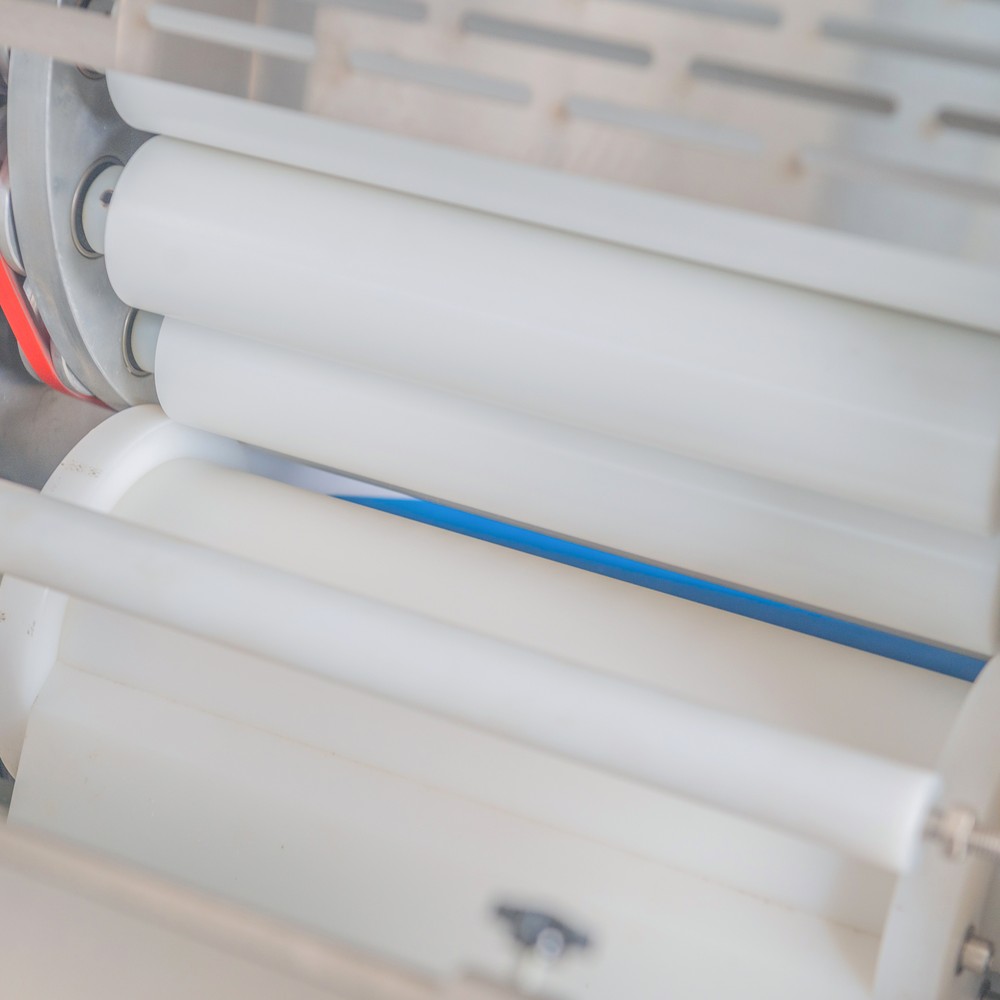
Roller gap
The next useful clue is roller gap. Read the machine's job from the food entering and leaving it. Raw strip portioning, dough shaping and baked-loaf slicing handle different structures and need different support. A familiar name does not settle those distinctions. Match the proposed use with the documented application and an actual product demonstration.
Compare roller gap and number of passes in the accepted sample and the problem sample. If roller gap matches while number of passes differs, keep them as separate clues rather than treating the whole product as one undifferentiated result.
Thickness across the width
Look at thickness across the width in the same part of the batch as the defect. A fixed dough portion has to cover all parts of the intended shell. Material left in a thick corner is no longer available to make a distant wall. Follow the thickness around a cut section and compare opposite sides. Look for abrupt changes as well as absolute thickness. Record when the imbalance first appears so later filling or transfer damage is not confused with the original distribution.
For this example, read thickness across the width alongside laminated versus plain dough. Note whether a difference in thickness across the width is present in the same samples that show a difference in laminated versus plain dough; that relationship helps decide which part of the route deserves the next closer look.
Number of passes
Pay particular attention to number of passes before changing a setting. Pressing redistributes the portion; it does not create more dough. If material cannot reach a detail, compare quantity, condition and alignment before adding force. Look at where the first contact sends the dough and where the finished piece is thin. Use adjustments within the equipment instructions and judge the result after release, not only while the tool supports it.
Use the actual dough sheets and portions to compare number of passes with sheet support. Keep the observations of number of passes tied to the preparation and handling history of those samples, so a change in sheet support is not attributed to an unrelated piece of food.
Laminated versus plain dough
It is easy to overlook laminated versus plain dough when judging only the finished shape. Layered pastry relies on separate bands of dough and fat. If the fat breaks into hard fragments or smears through the dough, pressing and baking cannot recreate the original arrangement. Preserving layers begins before the shell or pastry reaches its final mold.
Examine a fresh cut face where the layers are easiest to see. Greasy patches, broken fat pieces and a completely blended-looking edge suggest different handling problems.
The outside appearance alone cannot prove that the internal layers are intact. Compare the baked cross-section and texture as well as the raw surface.
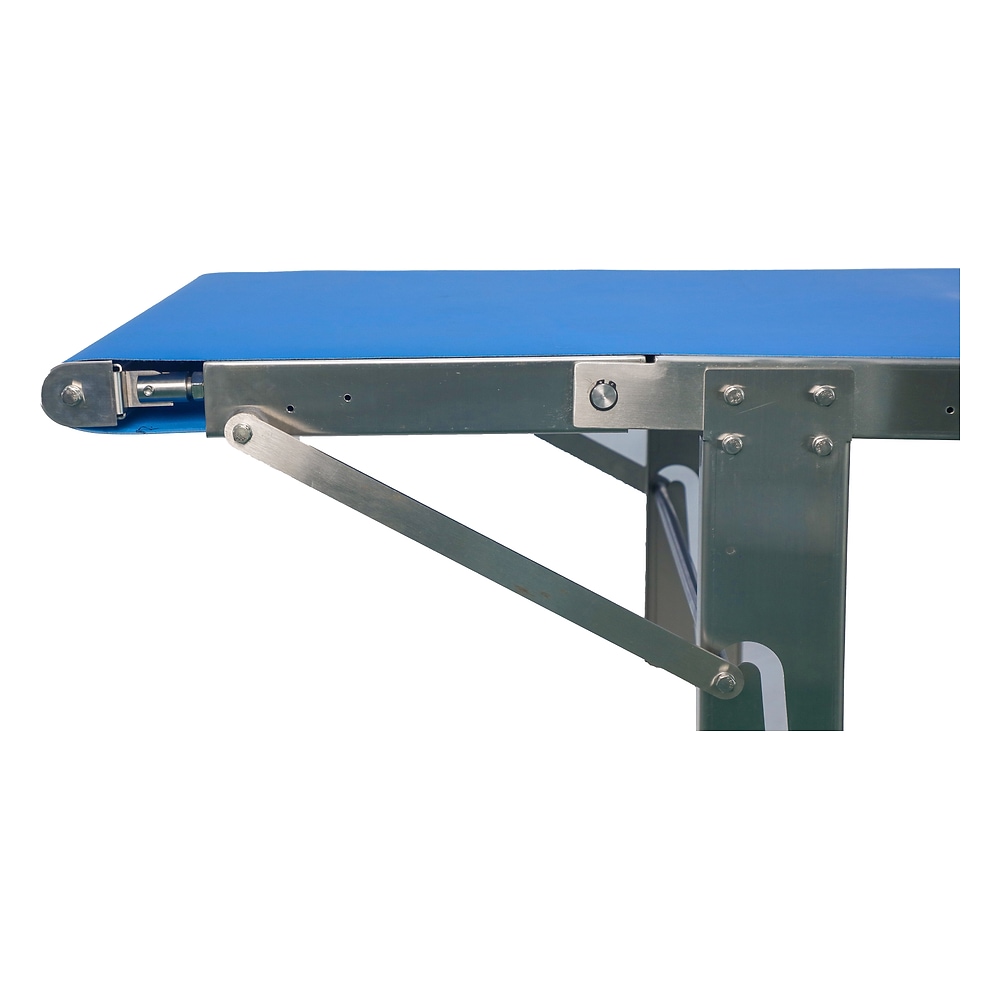
Sheet support
A closer look at sheet support can separate an upstream change from a later handling effect. A thin sheet can stretch during lifting even after it was rolled evenly. Its unsupported center carries its own weight while an edge may still cling to the surface. Compare outlines before and after transfer and use the approved support method. Pulling it back into place can add tension that appears later as shrinkage.
For this example, read sheet support alongside stretch along the belt. Note whether a difference in sheet support is present in the same samples that show a difference in stretch along the belt; that relationship helps decide which part of the route deserves the next closer look.
Cutting as a separate job
Use cutting as a separate job as an observation rather than an automatic reason to add more pressure or speed. A clean cut separates the material without pulling the remaining sheet or crushing the leading edge. Softness, tool condition, support and movement during contact all influence the result. A ragged edge may therefore have several causes that need different corrections.
Compare the edge still attached to the sheet with the edge on the released portion. A stretched tail indicates a different action from a uniformly compressed cut face.
Inspect or clean a cutting area only after the equipment has been stopped and isolated according to its instructions. Never use a hand to clear material near a moving tool.
Stretch along the belt
Keep a separate note of stretch along the belt so it can be compared with the accepted result. When the front of a sheet is pulled faster than its back, the material can become longer and narrower. A sudden start can also move liquid in a cup. Watch the location where motion changes and compare the food's dimensions afterward. An increased machine setting is useful only if acceptable products complete the whole route more consistently.
Compare stretch along the belt and laminated versus plain dough in the accepted sample and the problem sample. If stretch along the belt matches while laminated versus plain dough differs, keep them as separate clues rather than treating the whole product as one undifferentiated result.
What the machine demonstration actually shows
For this question, what the machine demonstration actually shows gives you a specific place to begin. Define the visible question before adjusting. Compare a baseline with a sample made after one relevant permitted change and follow both through their normal finish. If the result shifts, the comparison has a clear meaning. Stop unsuitable conditions through the documented procedure rather than continuing a poor trial merely to produce more samples.
For this example, read what the machine demonstration actually shows alongside number of passes. Note whether a difference in what the machine demonstration actually shows is present in the same samples that show a difference in number of passes; that relationship helps decide which part of the route deserves the next closer look.
Make the next sample easier to interpret
To work through this example, begin with roller gap and number of passes. Compare their appearance or measurement in the reference sample and the sample showing the problem. Then follow thickness across the width and laminated versus plain dough before judging what the machine demonstration actually shows. The key conclusion is: names overlap, so compare the actual action: flattening, reducing thickness, carrying the sheet or preserving layers. In particular, the connection between roller gap, thickness across the width and what the machine demonstration actually shows should remain visible in the evidence. For example, a difference already visible at roller gap should remain part of the explanation even if the final result is first noticed at what the machine demonstration actually shows. If roller gap and number of passes match but what the machine demonstration actually shows differs, inspect the intervening observations of thickness across the width and laminated versus plain dough before changing the recipe. Record whether stretch along the belt was observed before or after any normal pause, so the comparison with cutting as a separate job can be made again under similar conditions.
Where this fits in the pastry process
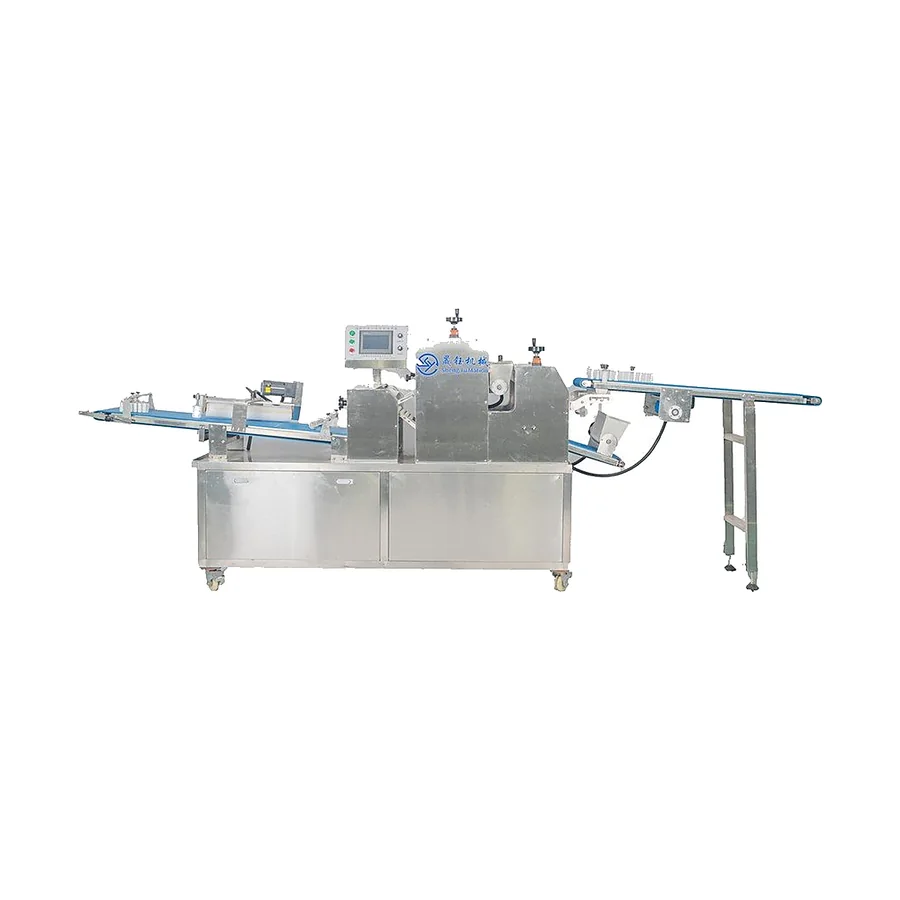
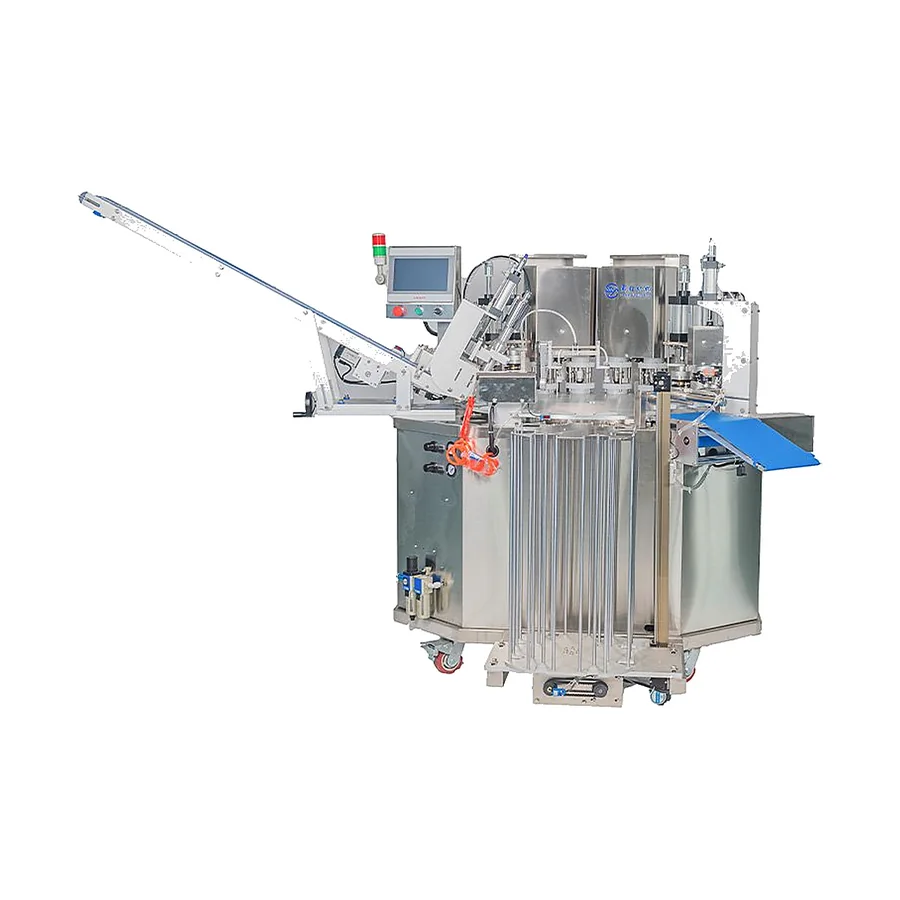
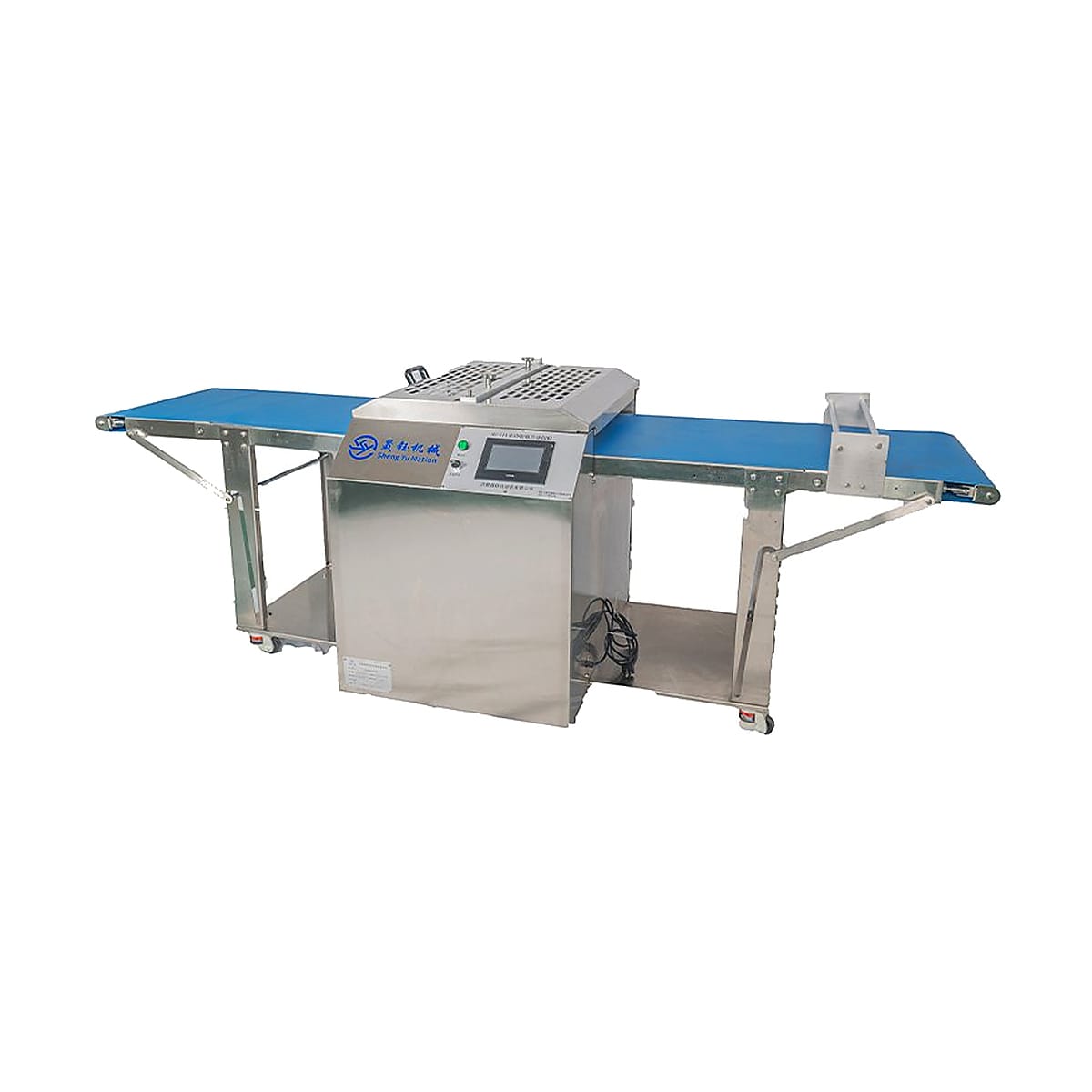
The documented application of Shengyu’s Dough Block Forming and Dividing Machine is a useful equipment reference when discussing roller gap in this process. Compare its role with the Dough Roll Forming Machine where the question extends to what the machine demonstration actually shows. Use the actual dough sheets and portions and recipe to confirm how those separate jobs fit the intended result.
For background on the material and terminology, see Wikipedia’s dough overview. Read that general background alongside the observations about roller gap and what the machine demonstration actually shows in this example, using the actual recipe for the practical comparison.
What to keep for the next batch
Names overlap, so compare the actual action: flattening, reducing thickness, carrying the sheet or preserving layers. Keep the accepted example of roller gap connected with the observations of thickness across the width and what the machine demonstration actually shows. Those details make the next batch easier to compare without relying only on a remembered overall impression. If sheet support changes while cutting as a separate job remains the same, retain that distinction rather than labelling both samples simply good or bad.
If the difference in thickness across the width remains unclear, describe the product to Shengyu using the form below. Include a view of roller gap and a view showing what the machine demonstration actually shows, with the stage where the change first appeared.
What is the first thing to check?
Names overlap, so compare the actual action: flattening, reducing thickness, carrying the sheet or preserving layers. Begin with roller gap and compare it with number of passes. This keeps the first check close to the cause described in the title.
Why does sheet support matter?
Soft dough can stretch under its own weight when it is lifted or carried without enough support. A thin region may become thinner before it ever reaches a mold. The way a sheet is transferred therefore affects the shape that later seems to be a forming problem. Support the material using the approved handling method and compare its outline before and after the move.
Can thickness across the width explain the whole problem?
One cross-section is a useful clue, not a complete batch result. Take samples from different moments or positions when the defect is intermittent. Compare it with stretch along the belt before treating it as the only cause.
What should be compared after a change?
Compare laminated versus plain dough, cutting as a separate job and what the machine demonstration actually shows using the same recipe and evaluation stage. Keep the starting and changed samples separate so the improvement can be traced.
What information helps explain this to someone else?
Share a whole-product photo, a close view of the issue and the stage where it first appeared. For this question, note roller gap, thickness across the width and what the machine demonstration actually shows. Add the actual recipe or portion details when they affect the result.