
Table of Contents
Introduction
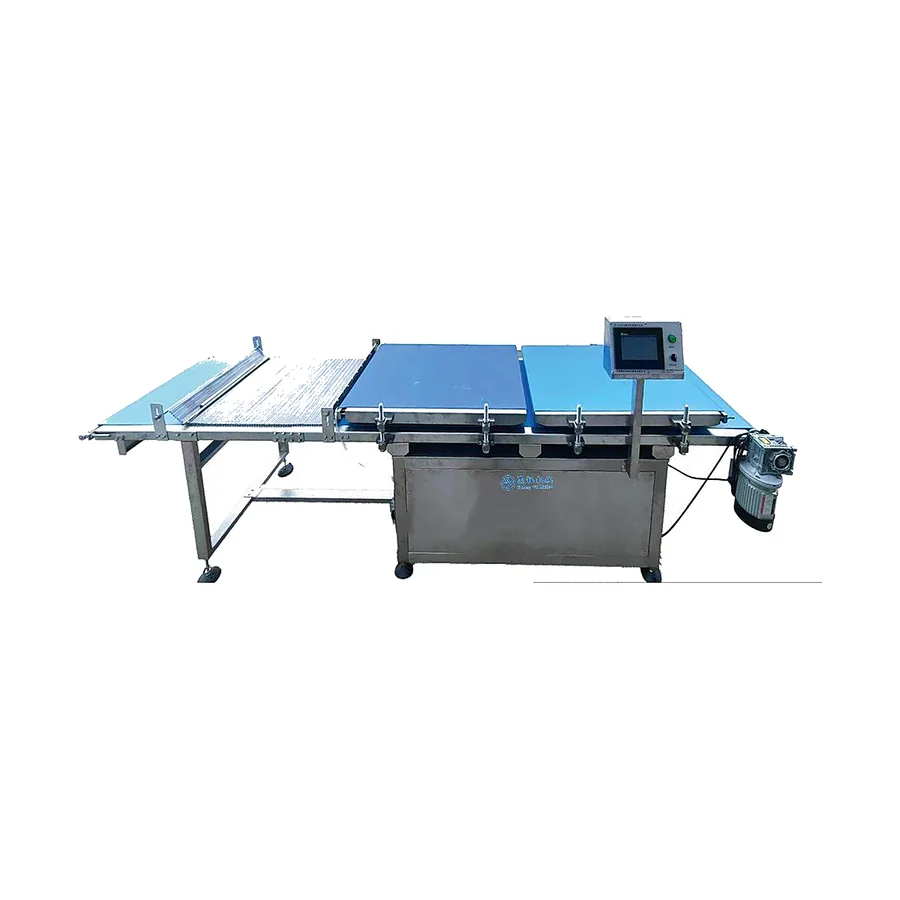
In bakery production, consistency begins long before the final product reaches the oven. The amount of dough assigned to each individual product affects its size, shape, filling capacity, forming behavior, and final appearance. Even small differences during portioning can become noticeable when production volume increases.
A dough divider machine helps manufacturers create more consistent dough portions by separating a larger dough mass into smaller pieces according to a controlled process. Instead of depending entirely on manual weighing and cutting, automated dividing provides a more repeatable method for preparing dough before later operations such as rolling, forming, filling, or molding.
However, dough dividing is not simply a matter of cutting dough into equal pieces. Dough elasticity, temperature, hydration, gluten structure, feeding stability, and machine settings all influence the final result. A successful dividing process requires both suitable equipment and a clear understanding of how the dough behaves.
For modern bakeries and pastry producers, the dough divider machine often becomes an important connection between dough preparation and automated forming processes.
What Is a Dough Divider Machine?
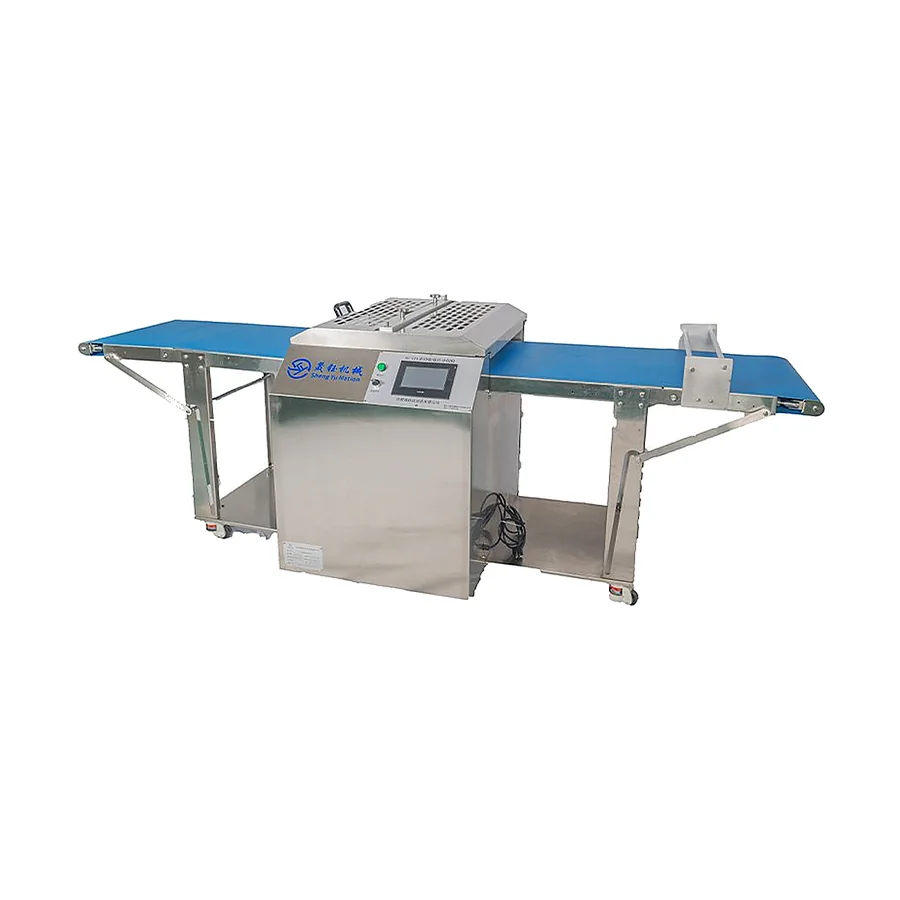
A dough divider machine is equipment designed to separate a larger quantity of dough into smaller portions with more consistent weight and dimensions.
In manual production, workers may divide dough using scales, knives, or other tools. While this method can work for small batches, maintaining identical portions over long production periods becomes increasingly difficult.
A dough divider introduces a controlled mechanical process. Depending on the machine design, dough may be divided through methods such as volumetric measurement, pressure-based portioning, cutting mechanisms, or other controlled separation systems.
The main purpose is not only speed. Accurate dividing creates a more stable starting point for the next production stage.
For example, if a dough piece enters a forming machine with significantly different weight from the previous piece, the forming result may change even when the machine performs the same movement. Consistent dividing reduces this variation before it reaches downstream equipment.
How Does a Dough Divider Machine Work?
The working principle depends on the specific divider design, but the general process follows several steps.
First, prepared dough enters the feeding area. The dough must have suitable consistency because extremely soft, sticky, or uneven dough can affect how reliably the machine handles the material.
Next, the machine controls the movement and separation of dough into individual portions. The dividing mechanism determines the amount of dough assigned to each piece.
After separation, the divided dough pieces leave the machine and move toward the next production stage. This may include rounding, rolling, flattening, forming, filling, or other processing steps.
A simplified workflow is:
Dough preparation → feeding → portion measurement → dough separation → transfer to next process
The key challenge is maintaining consistency while handling a material that naturally changes with temperature, formulation, and fermentation conditions.
Unlike rigid materials used in many industrial processes, dough can compress, stretch, recover, and change shape. A good dividing process must therefore balance mechanical control with the physical properties of the dough.
Why Dough Portion Control Matters
Portion control directly influences product consistency.
When dough portions vary, several later stages can be affected.
A larger dough piece may create a thicker product or require more forming pressure. A smaller portion may result in incomplete shaping or reduced product volume.
For filled products, portion variation can also affect the relationship between dough and filling. A larger dough portion may require a different amount of filling to maintain the intended product balance.
During baking, differences in dough quantity can influence expansion, moisture loss, crust formation, and final appearance.
A dough divider machine helps reduce these variations by creating a more predictable input for downstream operations.
The benefit is especially noticeable in repeated production environments where hundreds or thousands of similar products are processed. Maintaining consistency manually becomes more difficult as production volume increases, while mechanical portioning provides a more stable reference point.
How Dough Characteristics Affect Dividing Performance
Dough is a complex material, and its characteristics influence how well it can be divided.
One important factor is dough elasticity. Dough with strong elasticity may resist separation or attempt to recover after being compressed. Softer dough may deform more easily during handling.
Temperature also plays an important role.
Warmer dough may become softer and stickier, increasing the possibility of inconsistent feeding or residue around contact areas. Colder dough may become firmer and require different mechanical handling.
Hydration affects texture as well. Higher moisture doughs may behave differently from firmer doughs with lower moisture content.
Fermentation stage can also influence structure. Dough that has developed more gas or internal strength may respond differently compared with freshly prepared dough.
Because of these differences, the same divider setting may not produce identical results across different recipes.
Operators should evaluate dough condition together with machine settings rather than adjusting the equipment without considering material changes.
What Are the Main Benefits of Using a Dough Divider Machine?
The most obvious benefit of a dough divider machine is improved portion consistency, but the advantages extend beyond weight control.
Improved Production Repeatability
A controlled dividing process creates more predictable dough pieces. This helps later forming and shaping equipment operate under more stable conditions.
Reduced Manual Variation
Manual dividing depends heavily on operator experience. Even skilled workers may produce small differences during long production periods. Mechanical dividing reduces this type of variation.
Better Workflow Organization
A consistent supply of dough portions makes it easier to connect dividing with other processing stages, creating a smoother production sequence.
Easier Process Adjustment
When portions are consistent, operators can evaluate other production variables more accurately. If the final product changes, it becomes easier to identify whether the cause is dough condition, forming, filling, or another stage.
Support for Automation
A dough divider machine provides a standardized input for automated equipment. Downstream machines perform more effectively when incoming dough pieces have predictable dimensions.
These advantages explain why dividing is often considered a key preparation stage in automated bakery production.
Dough Divider Machine and Dough Processing Equipment Integration
A divider rarely works alone in a modern production environment.
After dough portions are created, they often continue to another machine for additional processing. The exact sequence depends on the product.
For example, divided dough may move toward rounding equipment before further shaping. Other products may require rolling or flattening before forming.
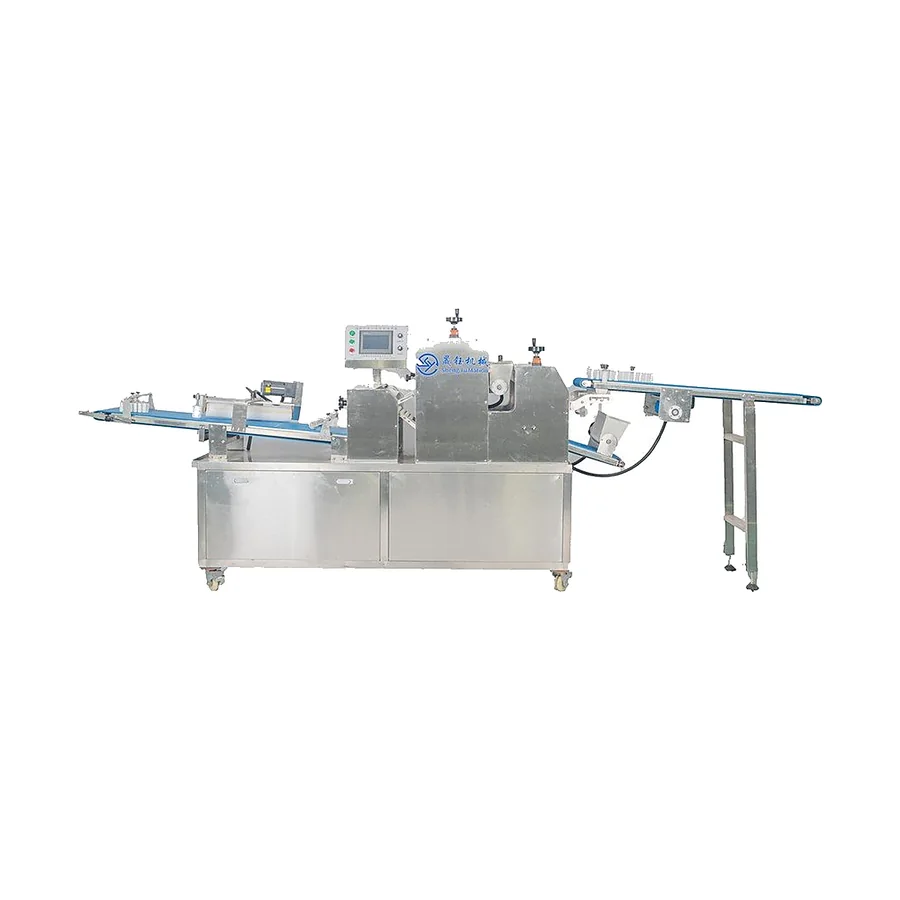
This is why dough dividing should be considered part of a larger dough processing equipment system rather than an independent operation.
The connection between machines matters.
If the divider produces portions faster than the next machine can process them, accumulation may occur. If the downstream machine requires a specific dough shape, the divider output must match those requirements.
A well-designed production flow considers:
- dough portion size
- transfer speed
- product spacing
- following equipment requirements
- available production layout
The objective is to create continuous movement from one stage to the next.
Dough Divider Machine vs Manual Dough Portioning
Manual portioning remains common in smaller production environments because it offers flexibility and requires less equipment.
However, manual methods have limitations when production volume increases.
| Comparison | Manual Portioning | Dough Divider Machine |
|---|---|---|
| Portion consistency | Depends on operator skill | More mechanically controlled |
| Production speed | Limited by labor | Suitable for continuous processing |
| Long production periods | Greater variation risk | More repeatable |
| Process recording | More difficult | Easier to standardize settings |
| Automation connection | Limited | Easier integration |
The choice depends on production requirements.
A small bakery producing many different products in limited quantities may value flexibility. A manufacturer producing standardized products repeatedly may benefit more from automated portion control.
The goal is not always to eliminate manual work but to determine which process stages gain the most value from mechanical consistency.
How Dough Dividing Influences Final Product Quality
Many quality issues that appear during baking or forming can begin during portioning.
If dough pieces are not consistent, the difference may appear later as:
- uneven product size
- inconsistent filling ratio
- irregular shape
- different baking behavior
- unstable production timing
For example, two dough pieces formed using the same mold may still produce different final products if one contains significantly more dough.
Similarly, a filling process may appear inaccurate when the actual problem is inconsistent dough size.
This is why portion control should be viewed as part of overall quality management.
A stable dough divider machine does not guarantee perfect products by itself, but it provides a more reliable foundation for every stage that follows.
Common Problems During Dough Dividing
Several issues can affect dividing performance.
Uneven Portion Weight
This may result from inconsistent dough feeding, changing dough conditions, incorrect machine adjustment, or mechanical wear.
Dough Sticking
Sticky dough can create residue on contact surfaces and affect smooth separation.
Irregular Feeding
If dough does not enter the dividing mechanism consistently, portion accuracy may decrease.
Dough Damage
Excessive pressure or unsuitable settings can affect dough structure, especially for sensitive dough types.
Product Variation After Dividing
Sometimes the divider is working correctly, but later forming or processing creates the visible difference. Troubleshooting should therefore examine the complete production flow.
The best approach is to identify whether the variation begins before, during, or after the dividing stage.
How to Improve Dough Divider Performance
Stable dividing starts with stable preparation.
The dough should reach the machine under consistent conditions whenever possible. This includes controlling temperature, dough structure, and feeding method.
Machine settings should be adjusted according to the actual dough rather than relying only on previous settings from a different recipe.
Regular inspection is also important.
Contact surfaces should remain clean, adjustment mechanisms should operate correctly, and moving components should be checked according to maintenance requirements.
Operators should record successful settings for frequently produced products. These records help reduce repeated trial-and-error adjustments when production resumes after a changeover.
Consistency comes from combining suitable dough preparation, correct settings, and regular equipment management.
How to Choose a Dough Divider Machine for Production Needs
The right dividing solution depends on the product and production process.
Before selecting equipment, manufacturers should define:
- dough type
- required portion range
- production volume
- product size
- downstream forming method
- required flexibility
- available factory space
A machine suitable for small dough portions may not be appropriate for larger products. A highly standardized production process may benefit from a different configuration than a facility producing many changing product types.
The relationship with other equipment should also be considered.
If the divided dough immediately enters forming equipment, the portion shape and transfer method become important. If additional rolling or resting is required, the production layout may need more flexibility.
Equipment selection should therefore begin with the complete process rather than the divider alone.
How Automation Changes Dough Portioning
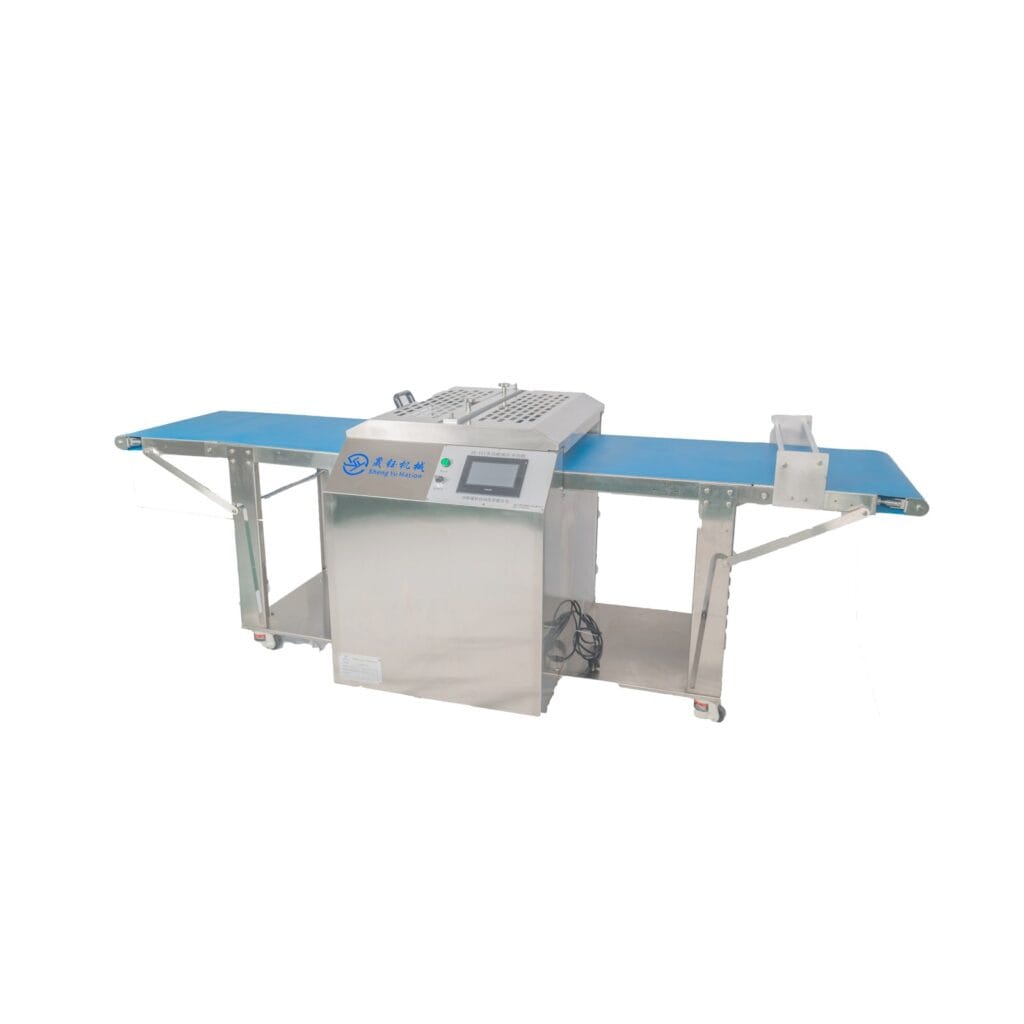
Automation changes dough dividing from a repeated manual task into a controlled production stage.
The machine can maintain a defined dividing method while operators focus on monitoring dough condition, quality, sanitation, and process adjustments.
For large-scale production, this consistency becomes increasingly valuable because small variations repeated thousands of times can create significant differences in final output.
Automation also improves process visibility. When dividing parameters are documented, production teams can compare results more easily and identify whether changes come from raw materials, machine settings, or downstream operations.
The most effective automation strategy is not simply adding more machines. It is creating a production process where each stage provides the right conditions for the next one.
Conclusion
A dough divider machine plays an important role in creating consistent bakery production by controlling how larger dough masses are separated into individual portions.
Although dividing may appear to be a simple step, it has a direct influence on forming accuracy, filling balance, product appearance, and production stability. Dough characteristics, temperature, feeding conditions, and machine settings all affect the final result.
For manufacturers moving toward more organized production, portion control provides a stronger foundation for automation. When dividing is properly integrated with dough processing and forming equipment, the entire workflow becomes easier to manage and more repeatable.
The best results come from viewing the dough divider machine as part of a complete production system rather than a standalone piece of equipment.
FAQ
What is a dough divider machine used for?
A dough divider machine separates larger quantities of dough into smaller portions with more consistent weight and dimensions. These portions can then move to forming, rolling, filling, or other processing stages.
Why is dough portion consistency important?
Consistent portions help maintain product size, shape, filling balance, and baking behavior. Variation at the dividing stage can affect every later production step.
Can a dough divider machine handle different dough types?
This depends on the machine design and dough characteristics. Different doughs vary in elasticity, moisture, temperature, and structure, so settings may need adjustment for different products.
Can a dough divider machine be connected to other bakery equipment?
Yes. Dough dividers can be integrated with other processing stages when portion size, transfer speed, and downstream requirements are properly coordinated.
What causes uneven dough portions?
Possible causes include unstable dough feeding, changing dough conditions, incorrect settings, residue buildup, or mechanical issues. Troubleshooting should examine both the dough and the machine.