
Table of Contents
Introduction
Consistent dough preparation has a direct influence on the later stages of bakery and pastry production. When dough enters forming, cutting, filling, or molding equipment with uneven thickness or irregular dimensions, downstream operations become more difficult to control. Small variations at the beginning of the process can eventually appear as differences in product size, shape, texture, or baking behavior.
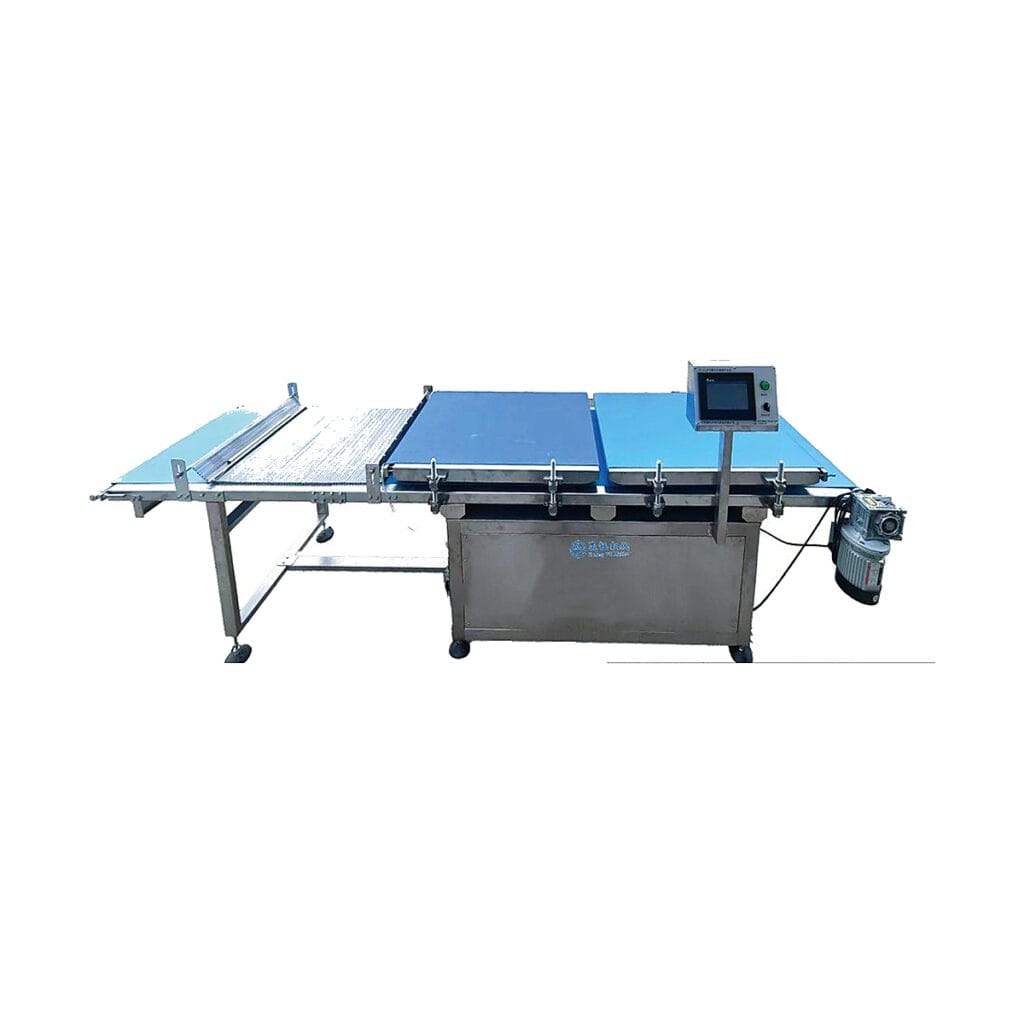
A dough roller machine helps address this issue by applying controlled mechanical pressure to dough as it passes between rotating rollers. Rather than relying entirely on manual rolling, the machine creates a more repeatable process for reducing dough thickness and preparing it for the next production stage.
However, achieving good results involves more than simply narrowing the roller gap. Dough characteristics, reduction ratio, feeding direction, roller alignment, temperature, and the connection with downstream equipment all influence the final result. Understanding these factors helps manufacturers use dough rolling as part of a stable production process rather than treating it as an isolated operation.
What Is a Dough Roller Machine?
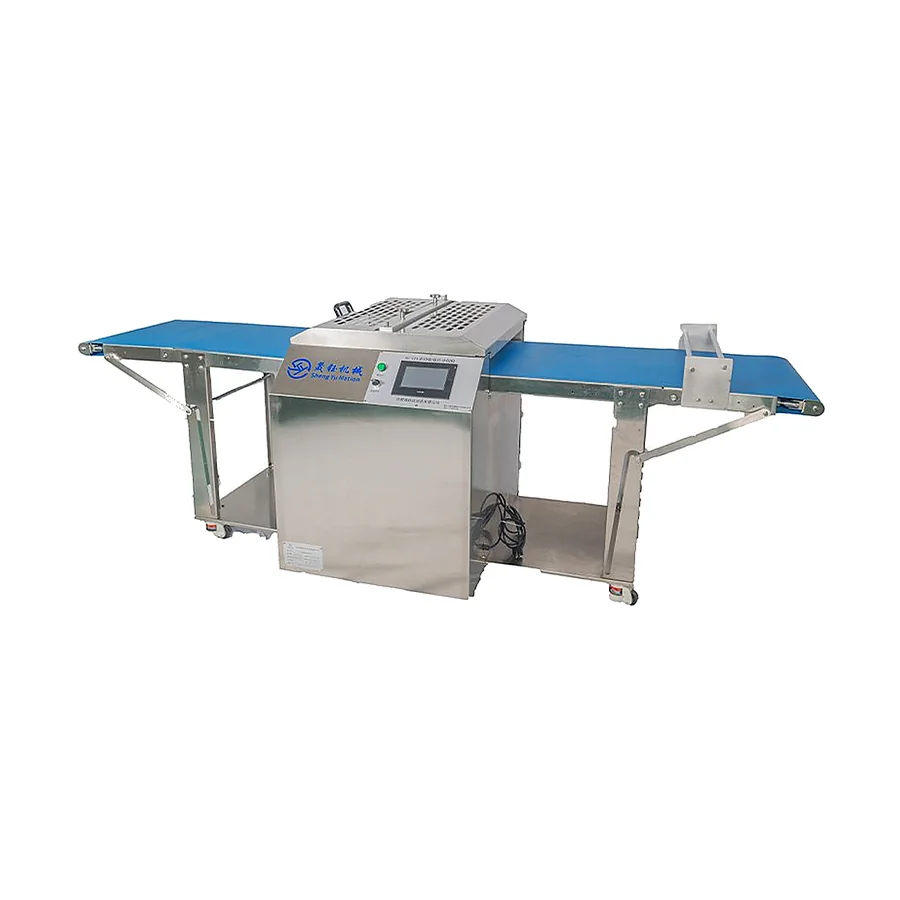
A dough roller machine uses one or more sets of rollers to flatten and reduce dough to a controlled thickness. Dough enters the roller section at a greater thickness and leaves in a flatter, more uniform form that can be processed further.
The basic operating principle is closely related to dough sheeting, where rotating rollers progressively compress dough until the required thickness is reached. In bakery production, this method can prepare dough for cutting, forming, laminating, rolling, filling, or molding.
The term dough roller machine can describe different equipment configurations. Some machines primarily flatten dough, while others combine rolling with conveying, forming, or additional processing functions. The most suitable design depends on the dough type and what needs to happen immediately after rolling.
For this reason, the machine should be selected according to the complete production process rather than roller dimensions alone.
How Does a Dough Roller Machine Work?
The rolling process begins when a prepared dough piece enters the space between two rollers. As the rollers rotate, friction pulls the dough forward while the gap between them determines how much compression is applied.
The dough becomes longer and thinner as it passes through the roller section. If additional thickness reduction is required, the dough can pass through another roller stage or be processed again with a smaller gap.
Gradual reduction is generally more controllable than attempting to compress a thick dough block to its final dimensions in one step. Excessive reduction can place unnecessary stress on the dough, leading to tearing, surface damage, or uneven stretching.
A typical process may follow this sequence:
Dough preparation → preliminary shaping → first rolling stage → thickness adjustment → final rolling → cutting or forming.
In an automated system, conveyors can transfer the dough continuously between these operations. This reduces repeated manual repositioning and helps maintain a more predictable production rhythm.
Why Dough Consistency Matters Before Forming
Dough forming equipment performs best when the incoming material stays within a predictable range.
Imagine a forming station designed to process dough at a particular thickness. If one section enters significantly thicker than another, the forming pressure will not affect both areas in the same way. The thicker portion may require greater compression, while the thinner portion may stretch too far or tear.
Similar problems can appear during cutting. A cutter produces the same outline each cycle, but pieces cut from uneven dough may contain different quantities of material.
This variation can continue into filling and baking. Dough pieces with different thicknesses may behave differently around a filling, respond differently to molds, or require different amounts of heat to reach similar final characteristics.
A dough roller machine therefore performs an important preparation function. Its role is not simply to flatten material but to create a more stable starting condition for later production operations.
How Roller Gap Affects Dough Thickness
Roller gap is one of the most important machine settings because it controls the space through which the dough passes.
Reducing the gap creates a thinner output, but the relationship between the machine setting and the final dough thickness is not always perfectly direct. Dough can react elastically after leaving the rollers and recover part of its thickness.
The amount of recovery depends on dough formulation, gluten development, hydration, temperature, resting time, and the amount of compression applied.
For this reason, operators should not rely only on the numerical roller setting. Actual dough thickness should be checked after the material has left the roller section and stabilized.
Progressive adjustment is also important. When a substantial reduction is required, using several controlled stages can provide better results than applying a large thickness change at once.
Production settings should ultimately be based on repeatable tests with the actual dough formulation being processed.
Dough Roller Machine vs Dough Sheeter
Dough roller machine and dough sheeter are closely related terms, and in some applications they may describe very similar equipment. However, their emphasis can differ.
A dough roller machine broadly describes equipment that uses rollers to flatten or shape dough. A dough sheeter usually emphasizes producing a controlled dough sheet with consistent thickness for further processing.
The practical differences depend on the actual machine configuration rather than terminology alone.
| Factor | Dough Roller Machine | Dough Sheeter |
|---|---|---|
| Main purpose | Rolling and thickness reduction | Producing controlled dough sheets |
| Processing method | One or multiple roller stages | Progressive sheeting and gauging |
| Typical output | Flattened or rolled dough | Continuous or defined dough sheet |
| Integration | Can be independent or connected | Often linked with cutting or forming |
| Suitable applications | Bread, pastry and formed dough | Pastry, laminated dough, tart and cookie processing |
For production planning, manufacturers should examine how the equipment handles their actual dough and what output shape is required by the next machine.
The machine name alone does not determine whether it is suitable.
What Types of Dough Can Be Rolled?
Different doughs respond differently to mechanical rolling.
Pastry dough often requires controlled thickness because it may later be cut, folded, molded, or formed into shells. Consistent rolling helps prepare predictable pieces for those later stages.
Bread dough can also be rolled when the production process requires flattening before rolling, shaping, filling, or molding. However, dough elasticity needs to be considered because bread dough may recover after leaving the rollers.
Cookie dough may be rolled into sheets before individual shapes are cut. In this application, stable thickness can help create pieces with more consistent dimensions.
Pie and tart dough also benefit from controlled rolling because their bases or shells often require a specific relationship between diameter and thickness.
Laminated dough presents additional challenges because the internal layer structure must be preserved during thickness reduction. Excessive pressure or unsuitable dough temperature can affect the layers.
Because these products behave differently, the wider range of dough processing equipment used around the rolling stage should be planned according to the specific product rather than assuming one process fits every dough.
What Factors Influence Rolling Quality?
Machine settings are only one part of dough rolling. The physical condition of the dough has an equally important influence.
Dough temperature affects firmness. If dough becomes too soft, it may stretch excessively or adhere to contact surfaces. If it becomes too firm, the rollers may need to apply greater force to achieve the required reduction.
Hydration also changes how dough behaves. A higher-moisture dough can be more difficult to transfer cleanly, while lower-moisture dough may resist stretching.
Resting time influences elasticity. Dough processed immediately after intensive mixing may behave differently from dough that has had time to relax.
Initial shape matters as well. Feeding an irregular dough mass into the rollers can create uneven loading across the working width. Preliminary forming helps create a more stable entry condition.
Roller surface condition, alignment, feeding speed, and cleanliness can also affect output quality. Consistent rolling therefore requires both suitable dough preparation and correct machine adjustment.
How to Reduce Dough Thickness Without Damaging It
One of the most important operating principles is progressive reduction.
Suppose a thick dough block must become a relatively thin sheet. Attempting to achieve the complete reduction in a single step may cause excessive stretching. The surface can become rough, edges can tear, or the internal structure may experience unnecessary stress.
A more controlled method reduces thickness in stages.
The first pass prepares the dough and creates a more regular shape. Later stages progressively reduce the roller gap until the target thickness is approached.
The ideal reduction sequence depends on the dough. Soft dough may tolerate different settings from elastic bread dough or laminated pastry dough.
Operators should therefore observe the dough after each stage. Surface appearance, edge condition, stretching behavior, and thickness recovery provide useful information about whether the reduction is too aggressive.
This process-focused approach is more reliable than simply choosing the smallest possible roller gap.
How Dough Rolling Connects With Cutting and Forming
Rolling normally prepares dough for another operation, which means the output needs to match the requirements of the next machine.
If the next stage is cutting, the rolled dough should reach the cutter with stable thickness, sufficient width, and consistent alignment.
If the next stage is forming, the dough may need additional dimensional control. The amount of dough entering a forming tool affects how completely the mold can be filled and how much excess material may appear around the product.
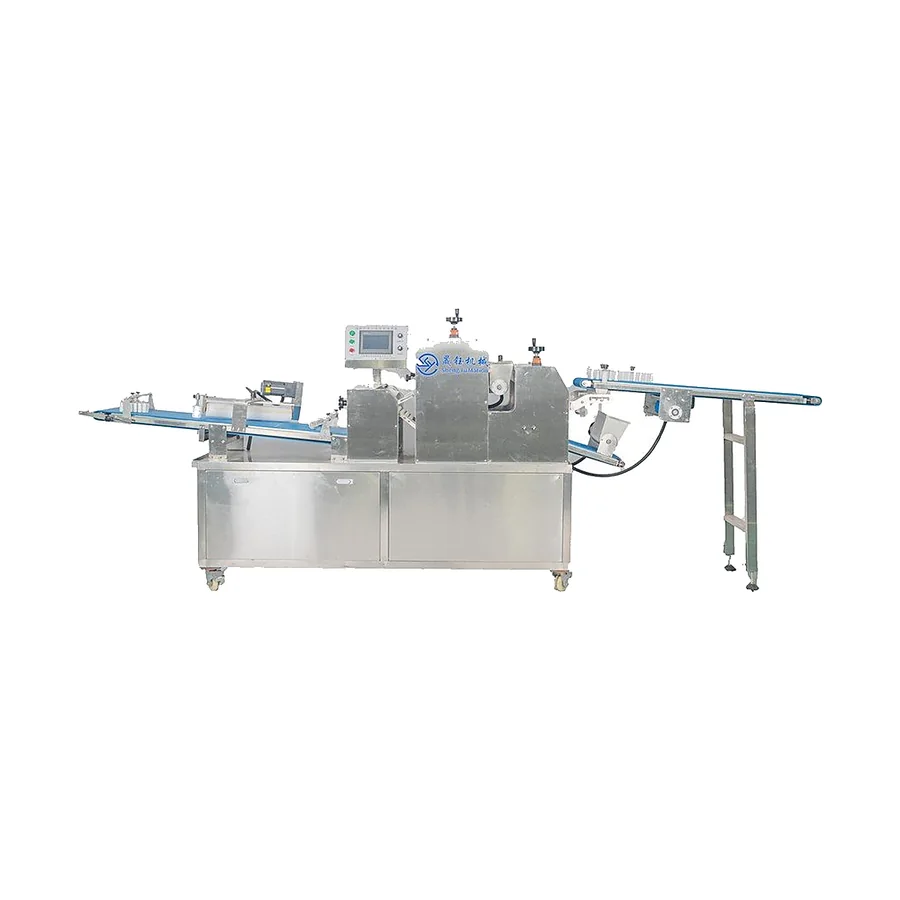
When rolling and forming are closely connected, equipment such as a dough roll forming machine can combine material preparation with a downstream shaping function as part of a more continuous workflow.
Transfer between stages is also important. Even correctly rolled dough can become distorted if it is stretched between conveyors or allowed to fold before entering the next operation.
The complete process should therefore be evaluated from the point where dough enters the rollers to the point where the shaped product leaves the next machine.
Common Problems During Dough Rolling
Uneven thickness is one of the most common problems. It may result from irregular feeding, roller misalignment, uneven incoming dough, or inconsistent pressure across the working width.
Sticking is another frequent issue. Dough condition, temperature, moisture, roller surface condition, and flour management can all contribute.
Tearing often indicates that the dough is being reduced too quickly or that its condition does not allow sufficient stretching. Increasing the roller gap and using additional reduction stages may help identify whether compression is the main cause.
Shrinkage after rolling can occur when elastic dough attempts to return toward its earlier shape. Allowing suitable resting time and understanding the dough formulation can help operators account for this behavior.
Wrinkling may occur during transfer when the outgoing dough moves faster or slower than the receiving conveyor. Correct speed coordination is therefore important in connected production lines.
The most effective troubleshooting approach is to identify whether the problem begins with the dough, the roller setting, or material transfer instead of changing several machine settings simultaneously.
How to Maintain Stable Roller Performance
A dough roller machine depends on accurate mechanical movement, so routine inspection should focus on the parts that directly influence material flow and thickness control.
Rollers and food-contact surfaces need to remain clean. Dough buildup can affect surface contact and create irregularities during processing.
Roller alignment should be checked when uneven thickness repeatedly appears across the width of the dough.
Adjustment mechanisms should move smoothly and return predictably to established settings. If the same setting begins producing different results, operators should investigate both the mechanical condition of the machine and changes in the dough.
Belts and conveyors should also be inspected where they are used. Poor tracking or changes in belt tension can influence how the dough enters and leaves the roller section.
Production teams can improve repeatability by recording successful operating parameters for recurring products. These records provide a practical starting point when switching back to a previously produced dough.
How to Choose the Right Rolling Process
Selecting the appropriate rolling setup begins with the finished product.
Manufacturers should first define the dough type, incoming dough dimensions, target thickness, required sheet width, and what operation follows the roller.
The expected level of product variation also matters. A production process handling several pastry styles may require more adjustability than one dedicated to a single standardized item.
Available production space should be considered together with machine access. Operators require room for feeding, observation, cleaning, adjustments, and maintenance.
The relationship between upstream and downstream equipment is equally important. A roller should not be evaluated only by how quickly it can move dough. Its output must match the processing rhythm and material requirements of the following stage.
A practical configuration therefore balances dough behavior, machine adjustment, product dimensions, line layout, and process continuity.
Conclusion
A dough roller machine plays an important role in preparing dough for consistent bakery and pastry production. By applying controlled pressure between rotating rollers, it can reduce thickness and create a more predictable material condition before cutting, forming, filling, or additional processing.
The quality of the result depends on more than the machine itself. Dough temperature, hydration, elasticity, initial dimensions, roller gap, reduction sequence, alignment, and transfer speed all influence rolling performance.
For this reason, the best results come from treating dough rolling as part of a complete production process. When the incoming dough, roller settings, and downstream equipment are properly matched, the rolling stage can provide a stable foundation for repeatable product dimensions and smoother production flow.
FAQ
What does a dough roller machine do?
A dough roller machine passes dough between rotating rollers to reduce its thickness and create a flatter, more uniform shape for later cutting, forming, filling, or molding operations.
Is a dough roller machine the same as a dough sheeter?
The terms can overlap, but a dough roller machine broadly refers to equipment that rolls or flattens dough, while a dough sheeter usually emphasizes producing a controlled sheet for downstream processing.
Why does dough shrink after rolling?
Elastic dough can recover part of its original shape after roller pressure is removed. Formulation, gluten development, temperature, resting time, and the amount of thickness reduction can influence this behavior.
Why does dough tear in a roller machine?
Tearing can occur when thickness is reduced too aggressively, the dough is too firm, feeding is uneven, or the dough does not have sufficient extensibility for the selected roller setting.
Can a dough roller machine be integrated into an automated line?
Yes. Dough rolling can be connected with feeding, cutting, forming, filling, and conveying equipment when machine speeds, product dimensions, and transfer conditions are properly coordinated.